Home >>Shipping by Region >>Middle East >> Iran >> Rail Freight from China to Tehran, Iran
Rail Freight Transportation from China to Tehran, Iran
Rail freight from China to Tehran, Iran, is currently operational and expanding rapidly through the China-Iran Rail Corridor. This overland route serves as a strategic alternative to maritime shipping, cutting transit times by more than half while bypassing traditional sea-based choke points.
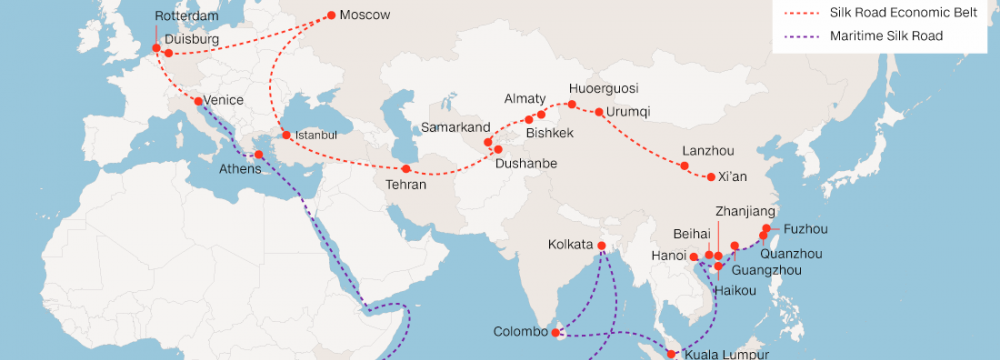
Rail freight from China to Tehran, Iran, is currently operational and expanding rapidly through the China-Iran Rail Corridor. This route offers a cost-effective and efficient alternative to air and sea freight, with transit times typically ranging from 15 to 20 days. The rail connection between China and Iran has been strengthened by recent infrastructure developments, making it an increasingly attractive option for businesses looking to import goods from China to Iran.
Rail freight transportation from China to Tehran, Iran, is a growing trend in international trade, driven by the increasing demand for efficient and cost-effective logistics solutions. The rail route between China and Iran has been developed as part of the broader Belt and Road Initiative, which aims to enhance connectivity and trade between Asia, Europe, and Africa. This rail corridor offers a reliable and secure means of transporting goods, with the added benefit of reduced transit times compared to traditional sea freight.
One of the key advantages of rail freight from China to Tehran is its ability to handle a wide range of cargo types, including bulk goods, containerized shipments, and even hazardous materials. The rail network is equipped with modern facilities and technology to ensure the safe and efficient handling of goods, making it an attractive option for businesses looking to import from China to Iran.
In addition to its efficiency and cost-effectiveness, rail freight from China to Tehran also offers environmental benefits. Rail transportation is generally more energy-efficient and produces fewer emissions compared to air and sea freight, making it a more sustainable choice for businesses looking to reduce their carbon footprint.
Overall, rail freight transportation from China to Tehran, Iran, is a viable and increasingly popular option for businesses looking to import goods from China. With its efficient transit times, cost effectiveness, and environmental benefits, it represents a compelling choice for international trade.
Key Route Information (2026)
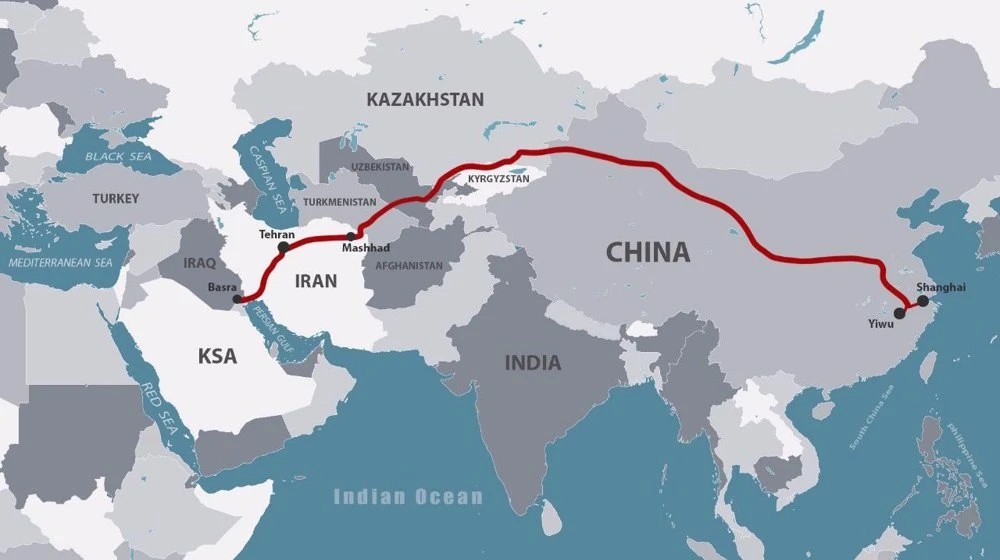
The corridor primarily utilizes the ancient Silk Road route, stretching between 8,000 and 10,400 kilometers depending on the departure city.
- Departure Points: Major hubs include Xi’an, Yiwu, Changsha, Urumqi, and Shenzhen, Shanghai, Wuhai.
- Transit Path: Trains typically exit China via the Alashankou or Khorgos ports, traversing Kazakhstan, Turkmenistan, and sometimes Uzbekistan before entering Iran at the Sarakhs or Incheborun border crossings.
- Cargo Types: Suitable for a wide range of goods including electronics, machinery, textiles, and consumer products.
- Primary Destination:Most freight arrives at the Aprin Dry Port (Iran's largest inland terminal) or the Shahyar Railway Freight Yard in Tehran.
Transit Time and Capacity
- Transit Time: Typically ranges from 15 to 20 days, significantly faster than sea freight which can take 30-45 days.
- Capacity:As of early 2026, rail freight volume has surged sixfold over the past year, with 43 freight trains entering Iran in a nine-month period.
- Frequency: Regular services operate multiple times per week, with increased frequency during peak seasons.
Strategic and Economic Context
- Bypassing Sanctions: This overland route allows both nations to conduct trade outside the reach of Western naval surveillance and maritime-based economic sanctions.
- Cost Efficiency: While individual rail rates fluctuate, the corridor is designed to reduce overall logistical costs by providing a more direct path for inland Chinese provinces that are far from seaports.
- Future Developments: Ongoing infrastructure investments aim to increase capacity and reduce transit times further, with potential expansions to include additional routes and services.
Note: Recent regional conflicts in early 2026 have further accelerated the shift from sea to rail as shippers seek more stable overland "land bridges" to avoid high-risk maritime paths.
