Home >>Resources >> Dangerous Goods Guide
Dangerous Goods Guide, A guide to shipping dangerous goods internationally
Shipping dangerous goods internationally requires careful planning and adherence to strict regulations to ensure the safety of people, property, and the environment. This guide provides an overview of the key considerations and requirements for shipping dangerous goods internationally.
-
What are dangerous goods?
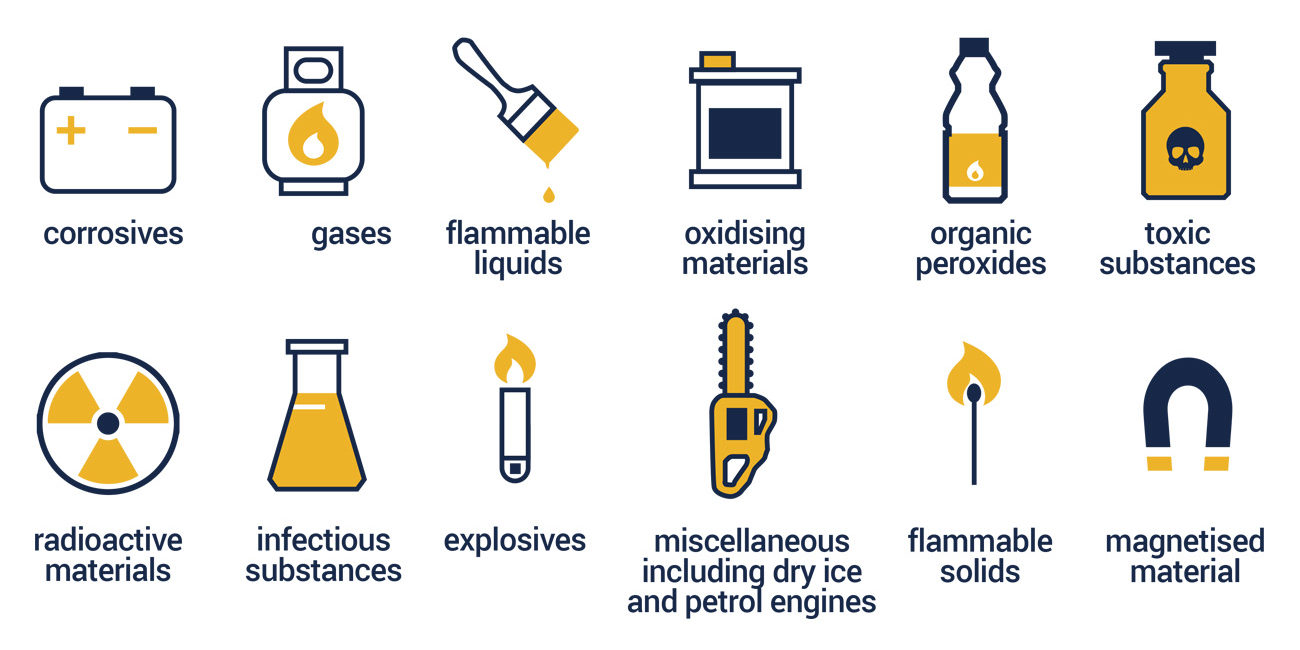
Dangerous goods are substances or articles that pose a risk to health, safety, property, or the environment during transportation.
They can include a wide range of items such as chemicals, explosives, flammable liquids, gases, radioactive materials, and infectious substances. The transportation of dangerous goods is regulated by international agreements and national laws to ensure the safety of people and the environment. Proper packaging, labeling, and documentation are essential when shipping dangerous goods internationally to comply with regulations and prevent accidents.
-
Documentation requirements for shipping dangerous goods internationally
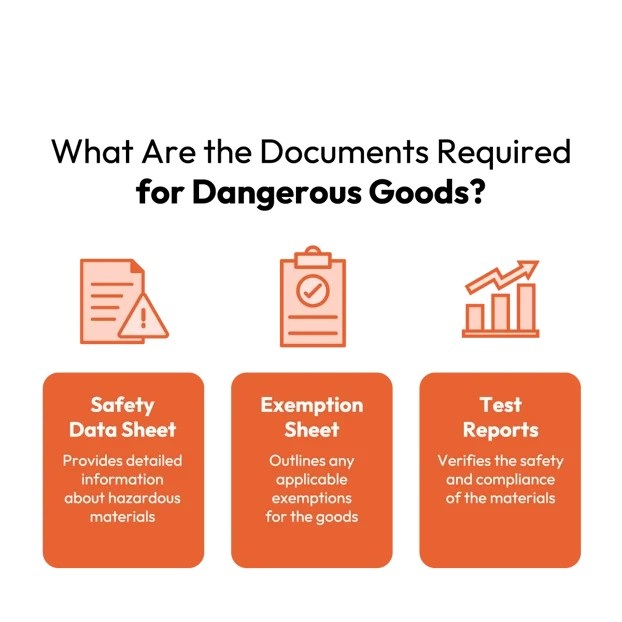
When shipping dangerous goods internationally, it’s essential to ensure that all necessary documentation is in place. This includes documents such as bills of lading, air waybills, commercial invoices, packing lists, and certificates of origin. These documents provide important information about the shipment, including the type of goods being shipped, their quantity, and their destination. Proper documentation is crucial for customs clearance and compliance with international regulations when shipping dangerous goods.
Proper documentation is crucial for the safe and legal transportation of dangerous goods internationally. It helps ensure that all parties involved in the shipment are aware of the nature of the goods being transported and can take appropriate precautions to prevent accidents and ensure compliance with regulations. When shipping dangerous goods, it’s important to work with experienced freight forwarders and logistics providers who are knowledgeable about the specific requirements for shipping dangerous goods internationally and can help ensure that all necessary documentation is in place.
-
Class 1 – Explosives
Materials that can explode, causing fires, shrapnel, and shockwaves. This class includes fireworks, ammunition, and certain industrial explosives.

-
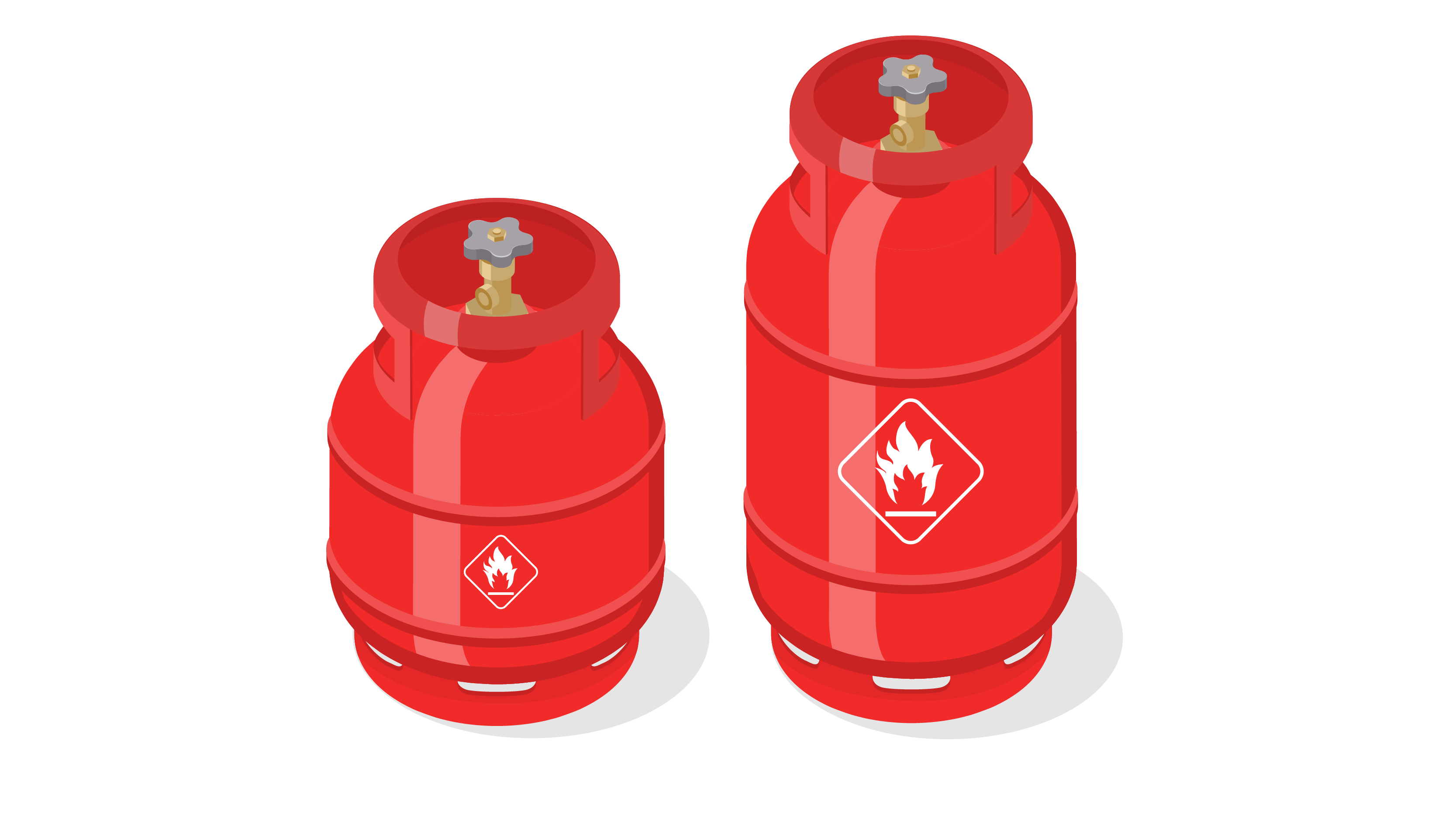
Class 2 – Flammable Gases
Substances which are gaseous at room temperature and can be flammable or toxic. Examples include petroleum gases, lighters, helium, and insecticide gases.
-
Class 3 – Flammable Liquids
Liquids that can ignite easily and burn rapidly. Examples include gasoline, alcohol, and certain solvents.

-
Class 4 – Flammable Solids
Substances that are solid but can ignite through friction, absorption of moisture, or chemical changes. Examples are matches, sodium batteries, and certain types of metal powders.

-
Class 5 – Oxidizing Substances and Organic Peroxides
Substances that can cause or enhance the combustion of other materials. Examples include hydrogen peroxide and certain chemicals used in manufacturing.

-
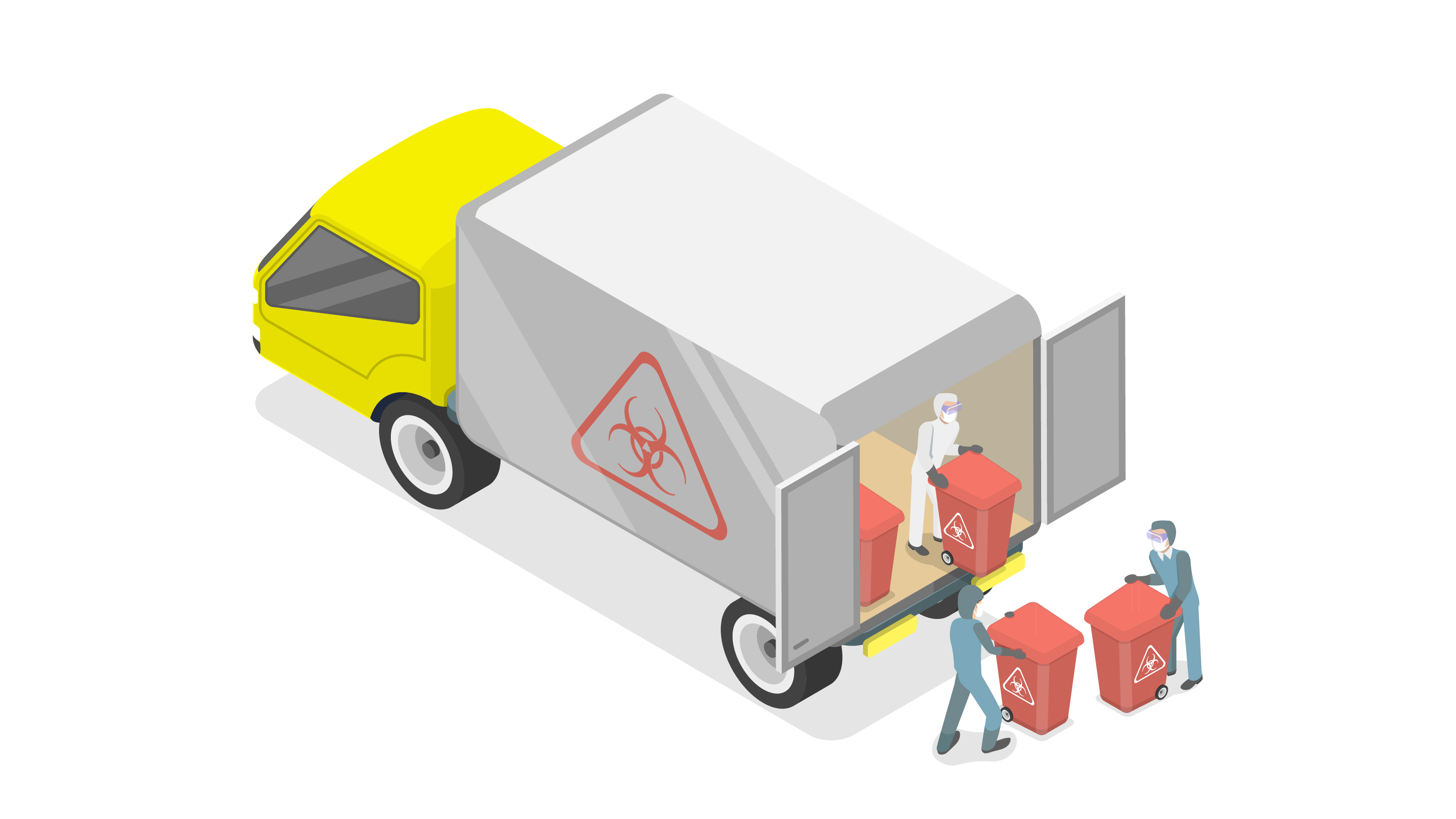
Class 6 – Toxic and Infectious Substances
Materials that can cause death, injury, or illness if swallowed, inhaled, or if they come into contact with skin. This class covers arsenic compounds, cyanide, and medical waste.
-
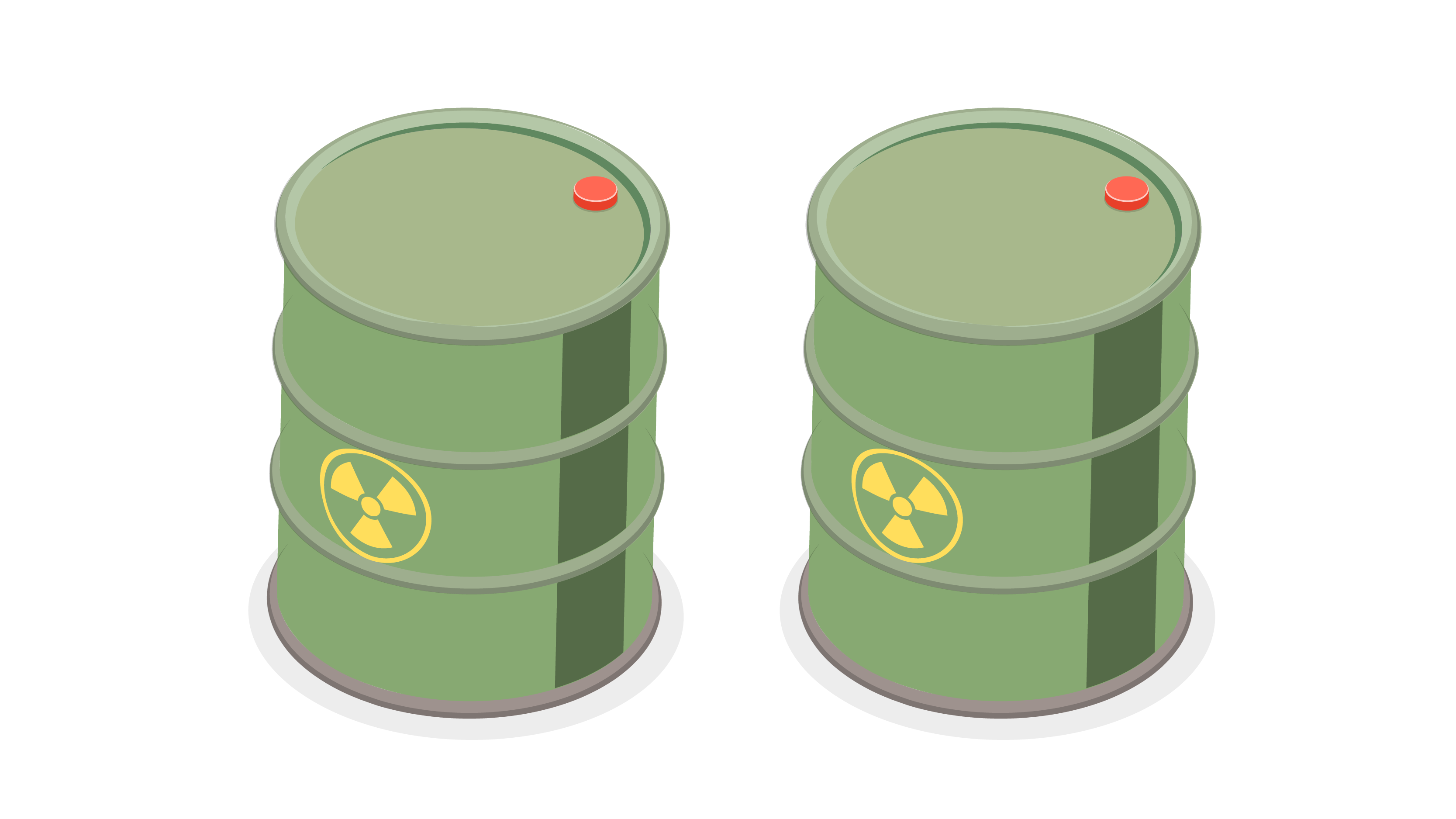
Class 7 – Radioactive Material
Substances that emit ionizing radiation and can be harmful to human health. Examples include uranium, plutonium, and certain medical isotopes.
-
Class 8 – Corrosives
Substances that can cause severe damage to skin, eyes, or other materials through chemical action. Examples include strong acids, bases, and certain industrial chemicals.

-
Class 9 – Miscellaneous Dangerous Goods
Items that do not fit into the other categories but are considered dangerous for transport fall under Class 9 DG. This includes dry ice, environmentally hazardous substances, magnetized materials, self-inflatable rescue equipment like vests and airbags, lithium batteries, as well as consumer goods such as aerosols, body lotions, and perfumes.